AgingSafelyGuide
Practical guides to a safer home
For older adults who want to stay in the home they know, and for the adult children helping them arrange it. We explain what each product is for, what to measure before you buy, and where a professional should look at it instead of a website.
Where families usually start
Six areas cover most of what people ask about in the first weeks. Pick the one that matches the problem in front of you.
 Bathroom SafetyThe room where small changes pay off most. Shower chairs, benches, mats and the layout around them.Browse bathroom safety ›
 Grab BarsWhere they belong, what they mount into, and how to choose one your wall can actually carry.Browse grab bars ›
 Bedroom and TransfersBed rails, transfer boards and gait belts, including the fit questions most buyers skip.Browse bedroom and transfers ›
 Lift ChairsPower lift recliners, sizing by height and weight, and what the motor and fabric choices mean.Browse lift chairs ›
 MobilityCanes, walkers and rollators, and how to tell which one suits the way someone already moves.Browse mobility ›
 Electronics and MonitoringPhones, tablets, day clocks and location trackers picked for easy everyday use.Browse electronics and monitoring ›
Start here
Four guides that answer the questions we get first, each one written around fit and setup rather than brand names.
 BathroomBest Shower Chair: Which Type Fits Your Bathroom and NeedsLegs, backs, arms and widths, matched to the shower you already have.Read the guide ›
 Grab barsBest Grab Bars for Home Safety: How to Choose the Right OneLength, finish and mounting, and why the wall behind it decides the rest.Read the guide ›BedroomBest Bed Rails for Elderly Adults: How to Choose SafelyFit and gap size come first, because a rail that does not fit is the risk.Read the guide ›
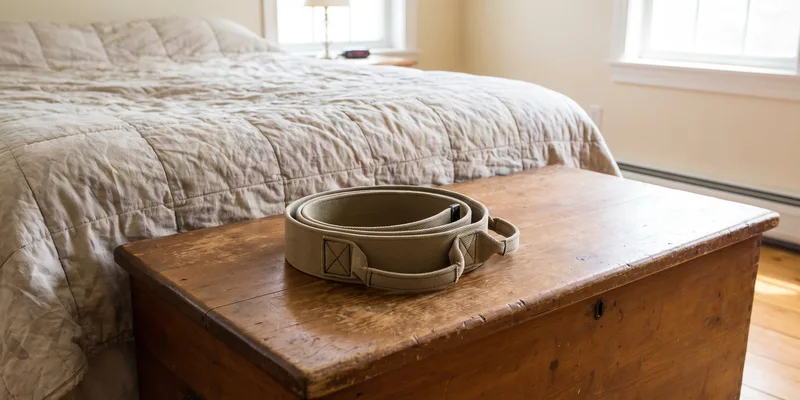 TransfersBest Gait Belt: Handles, Buckles, and Sizing ExplainedHandles, buckles and sizing, plus when to ask a therapist to show you the grip.Read the guide ›
How we choose what to suggest
We are not a test lab and we do not pretend to be. There is no workshop here, no load rig, and no scoring system invented to sound objective. What we do is read the product listings and the manufacturer instructions, compare the specifications makers publish about their own products, and set those next to the measurements in the ADA standard where the standard applies.
When a number comes from a listing or from the standard, we name the source so you can check it yourself. When a category is full of near identical products, we say that too, instead of inventing a winner.
Where our guides stop
Nothing here is medical advice, and none of it replaces someone who can see the person and the home. Balance, transfers and mobility are individual. If you are unsure what fits your situation, ask your doctor or an occupational therapist, and follow the manufacturer instructions for anything that carries weight.
Coverage questions differ per plan and per situation, so medicare.gov is the place to check those. We point to products the way we would for our own family, with the caveats left in rather than trimmed out.
What you can expect from a guide here
Wall type, mattress depth, doorway width. Most returns trace back to a measurement nobody took.
Weight capacity and safety standards are quoted from the maker, never assumed or rounded up.
The person who will use it every day, and the family member arranging it from another state.
Where something needs professional advice or careful installation, we say so instead of glossing over it.
More topics
The rest of the site, from measurements and ramps to the quieter parts of daily living.